


What is Volkswagen DSG?
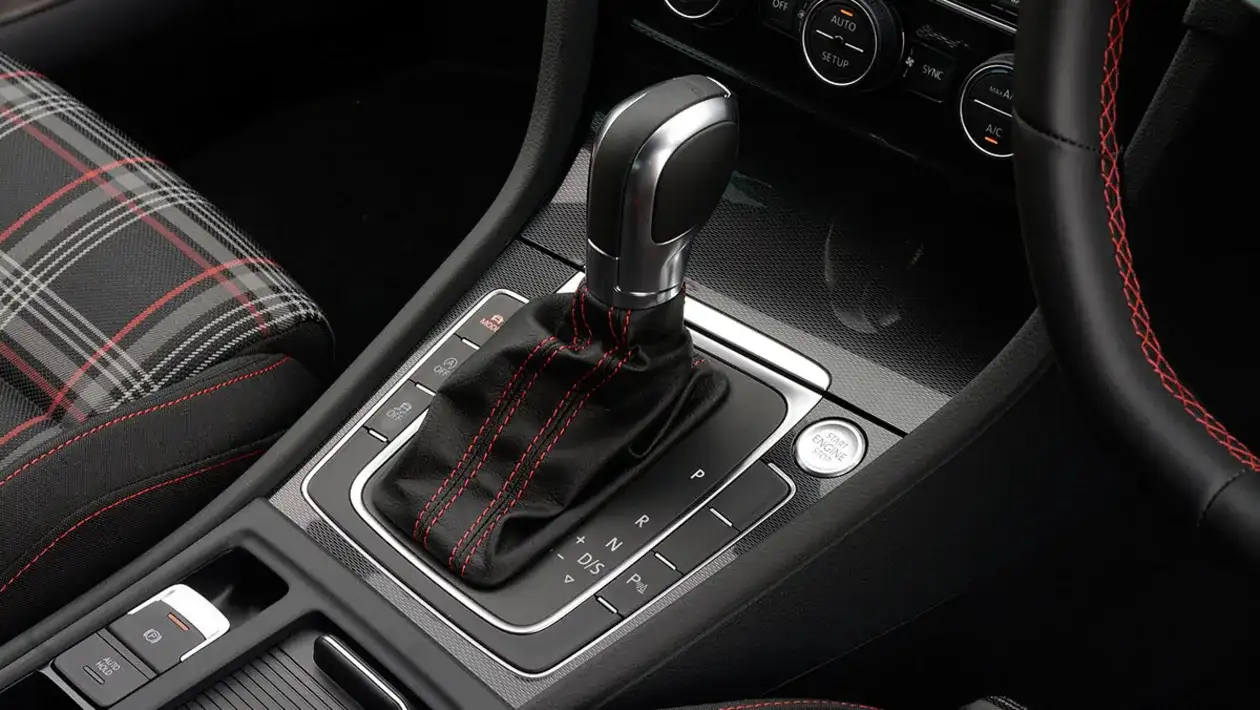
Image Credit: Auto Express
What Is Volkswagen DSG?
If you drive or are shopping for a Volkswagen, you may have come across the term DSG transmission. But what exactly does DSG mean, and how does it differ from a traditional automatic transmission?
Volkswagen DSG is a type of dual-clutch automatic transmission designed to provide quick, smooth gear changes while maintaining the convenience of an automatic. DSG transmissions are used in a variety of Volkswagen vehicles and are known for combining the efficiency of a manual transmission with the ease of an automatic.
What Does DSG Stand For?
DSG stands for Direct-Shift Gearbox. It is Volkswagen’s name for its dual-clutch transmission technology.
Unlike a traditional automatic transmission that uses a torque converter, a DSG uses two clutches to manage gear changes. One clutch typically controls one set of gears while the other controls the remaining gears.
This allows the transmission to prepare the next gear before it is needed, helping create fast gear changes with minimal interruption in power.
How Does a Volkswagen DSG Transmission Work?
A DSG transmission essentially operates like two manual transmissions working together, but the shifting is controlled electronically rather than by the driver.
One clutch handles the odd-numbered gears, while the other handles the even-numbered gears. As you’re driving, the transmission can anticipate which gear will be needed next.
For example, while you’re accelerating in third gear, the transmission can have fourth gear ready to engage. When the shift occurs, the clutches switch, allowing the transmission to change gears quickly.
The result is a transmission that can provide:
- Quick gear changes
- Smooth acceleration
- Responsive performance
- Efficient power delivery
- Automatic shifting without a clutch pedal
Many Volkswagen DSG transmissions can also be manually controlled, allowing drivers to select gears using paddle shifters or the transmission selector, depending on the vehicle.
Is a DSG Transmission Automatic or Manual?
A Volkswagen DSG is technically an automated manual-style transmission, but from the driver’s perspective, it operates much like an automatic.
There is no clutch pedal, and the transmission can shift gears automatically. However, its dual-clutch design is fundamentally different from the torque-converter automatic transmissions found in many other vehicles.
This design gives DSG transmissions some of the engaging characteristics associated with a manual transmission while retaining the convenience of an automatic.
What Are the Benefits of a Volkswagen DSG?
One of the biggest advantages of DSG technology is fast shifting. Because the transmission can pre-select the next gear, shifts can happen extremely quickly.
DSG transmissions can also provide a more direct driving feel. Instead of relying on a traditional torque converter, the dual-clutch system transfers engine power through the clutches and gears.
Depending on the Volkswagen model and transmission, DSG technology can offer a combination of performance, efficiency, and everyday drivability.
Does a DSG Transmission Need Maintenance?
Yes. Like any transmission, a DSG requires proper maintenance to help keep it operating correctly.
Some Volkswagen DSG transmissions require transmission fluid and filter services at specified intervals. The exact maintenance requirements depend on the vehicle, engine, transmission, model year, and type of DSG.
Regular maintenance is especially important because the DSG’s clutches, mechatronics, gears, and hydraulic components work together in a complex system.
If you’re unsure when your Volkswagen DSG service is due, check your owner’s manual or contact a Volkswagen service department.
What Are Common DSG Transmission Problems?
A DSG transmission can experience problems just like any other transmission. Symptoms can include:
- Jerky or delayed shifting
- Shuddering during acceleration
- Difficulty selecting gears
- Transmission warning lights
- Unusual noises
- Delayed engagement
- Loss of power or limp mode
However, these symptoms don’t necessarily mean the entire transmission needs to be replaced. Issues with fluid, clutch components, sensors, software, or the transmission’s mechatronic system can produce similar symptoms.
If your Volkswagen isn’t shifting normally, having it properly diagnosed is the best way to determine what’s wrong.
Volkswagen DSG Service in Kalispell, MT
Keeping up with your Volkswagen’s recommended transmission maintenance can help protect the performance and longevity of your DSG system. If you’re experiencing unusual shifting, warning lights, or other transmission concerns, professional diagnosis can help identify the problem before it becomes more expensive.
For Volkswagen DSG maintenance or transmission service in Kalispell, MT, schedule service with Kalispell Volkswagen. Our service team can help determine what your Volkswagen needs and keep your vehicle performing as it should.
0 comment(s) so far on What is Volkswagen DSG?