


Volkswagen vs BMW: Which Brand Is Better for Montana Drivers?
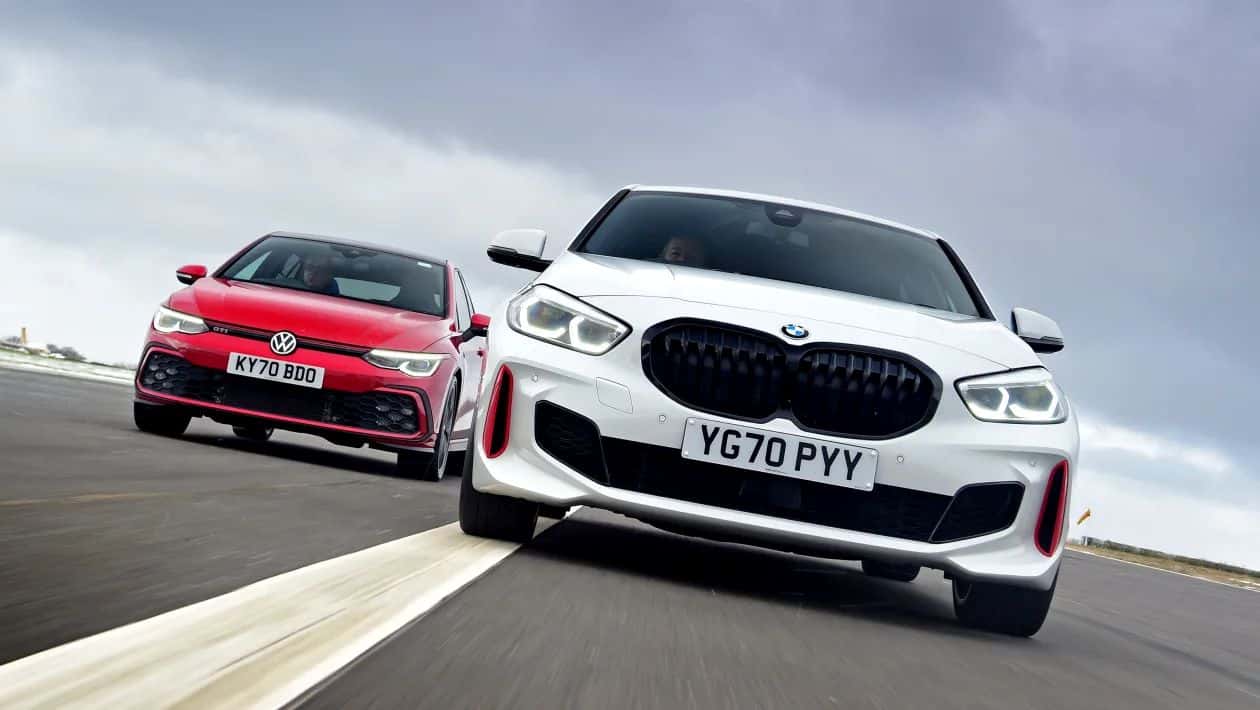
Image Credit: AutoExpress
Volkswagen vs BMW: Which Brand Is Better for Montana Drivers?
If you’re shopping for a German vehicle in Kalispell or anywhere in Montana, two names come up fast: Volkswagen and BMW. Both bring strong engineering, comfort, and performance—but they serve very different types of drivers.
So which one actually makes more sense for Montana roads, winter conditions, and long-term ownership costs? Let’s break it down in a real-world way: maintenance, reliability, and everyday driving in Montana.
Volkswagen vs BMW: The Quick Answer
BMW leans into luxury performance. Volkswagen focuses on practical German engineering with lower ownership costs.
For most Montana drivers, especially those dealing with snow, gravel roads, and long highway stretches, Volkswagen often ends up being the more cost-effective and lower-stress choice.
Maintenance Costs: Volkswagen Wins for Long-Term Affordability
One of the biggest differences shows up after you buy the vehicle.
BMW is known for higher maintenance and repair costs due to complex engineering, premium parts, and specialized labor. Volkswagens are still German-engineered, but generally simpler and cheaper to maintain.
Industry comparisons consistently show:
- Volkswagen average annual maintenance: lower cost bracket
- BMW’s average annual maintenance is significantly higher than ownership costs
BMW ownership often becomes expensive once warranties expire, especially with electronics, suspension components, and turbo systems.
Volkswagen, on the other hand, tends to stay more predictable and budget-friendly over time.
👉 In simple terms:
BMW = higher performance, higher upkeep
VW = balanced performance, lower upkeep
VW = balanced performance, lower upkeep
Reliability: Closer Than You Think, But VW Has the Edge for Daily Use
Modern BMW and Volkswagen reliability is actually closer than most people expect.
Recent data shows both brands landing in a similar reliability range overall, but Volkswagen typically edges ahead in cost stability and fewer expensive failure points over time.
BMW vehicles:
- Strong engines and driving dynamics
- More complex systems (which can mean more repair risk later)
- Higher repair severity when issues occur
Volkswagen vehicles:
- Simpler mechanical layout
- Strong long-term durability when maintained properly
- Lower average repair costs per year
For Montana drivers, reliability isn’t just about breakdowns—it’s about how expensive and inconvenient those repairs are when they happen. That’s where VW tends to be more forgiving.
Montana Driving Conditions: Why VW Fits Better for Real Life
Kalispell and Northwest Montana bring unique driving challenges:
- Snow-packed roads for months
- Gravel and rural highway driving
- Temperature swings that stress engines and batteries
- Long distances between service centers
Here’s how each brand handles it:
Volkswagen in Montana
- Strong AWD systems (4MOTION) available on most SUVs
- Good ground clearance on models like the Tiguan and Atlas
- Easier and cheaper servicing across the region
- More practical for winter commuting and rural driving
BMW in Montana
- Excellent handling and traction systems
- Lower ground clearance on many models
- More expensive repairs if winter damage occurs (suspension, sensors, etc.)
- Better suited for urban or performance-focused driving
If you’re regularly dealing with snow, slush, and rough roads, Volkswagen tends to be the more practical daily driver.
Driving Experience: Luxury vs Practical Confidence
BMW is built to feel sporty, precise, and premium. You’ll notice tighter steering, faster acceleration, and a more performance-focused ride.
Volkswagen focuses on:
- Comfortable ride quality
- Predictable handling in bad weather
- Simple, intuitive interiors
- Everyday usability over performance extremes
In Montana terms:
- BMW feels like a performance machine on clear roads
- Volkswagen feels like a dependable all-season daily driver.
Cost of Ownership Over 5 Years
When you factor in maintenance, repairs, and general upkeep:
- BMW: Higher total ownership cost due to premium service and repair pricing
- Volkswagen: Lower long-term cost and fewer “surprise” expenses
This difference becomes especially important in rural states like Montana, where dealership access and repair timing can matter just as much as the vehicle itself.
Final Verdict: Which Should You Choose in Montana?
Choose BMW if you want:
- Maximum driving performance
- Luxury feel and brand prestige
- Sport-focused driving experience
Choose Volkswagen if you want:
- Lower maintenance costs
- Strong winter performance with available AWD
- Practical daily driving in Montana conditions
- Long-term affordability and reliability balance
Bottom Line
For most Kalispell and Montana drivers, Volkswagen offers the best balance of reliability, cost, and real-world usability. BMW is excellent—but it comes with higher long-term ownership costs and more complexity.
If you’re looking for a vehicle that can handle Montana winters without draining your wallet over time, Volkswagen is usually the smarter long-term choice.
Looking for a Volkswagen in Kalispell?
Kalispell Volkswagen offers a full lineup of AWD SUVs like the Tiguan and Atlas, built for Montana driving conditions. Whether you’re commuting through snow or heading into the mountains, we can help you find the right fit.
👉 Explore new Volkswagen models at Kalispell Volkswagen
0 comment(s) so far on Volkswagen vs BMW: Which Brand Is Better for Montana Drivers?