


Tire Change in Kalispell, MT: Preparing Your Volkswagen for Every Season
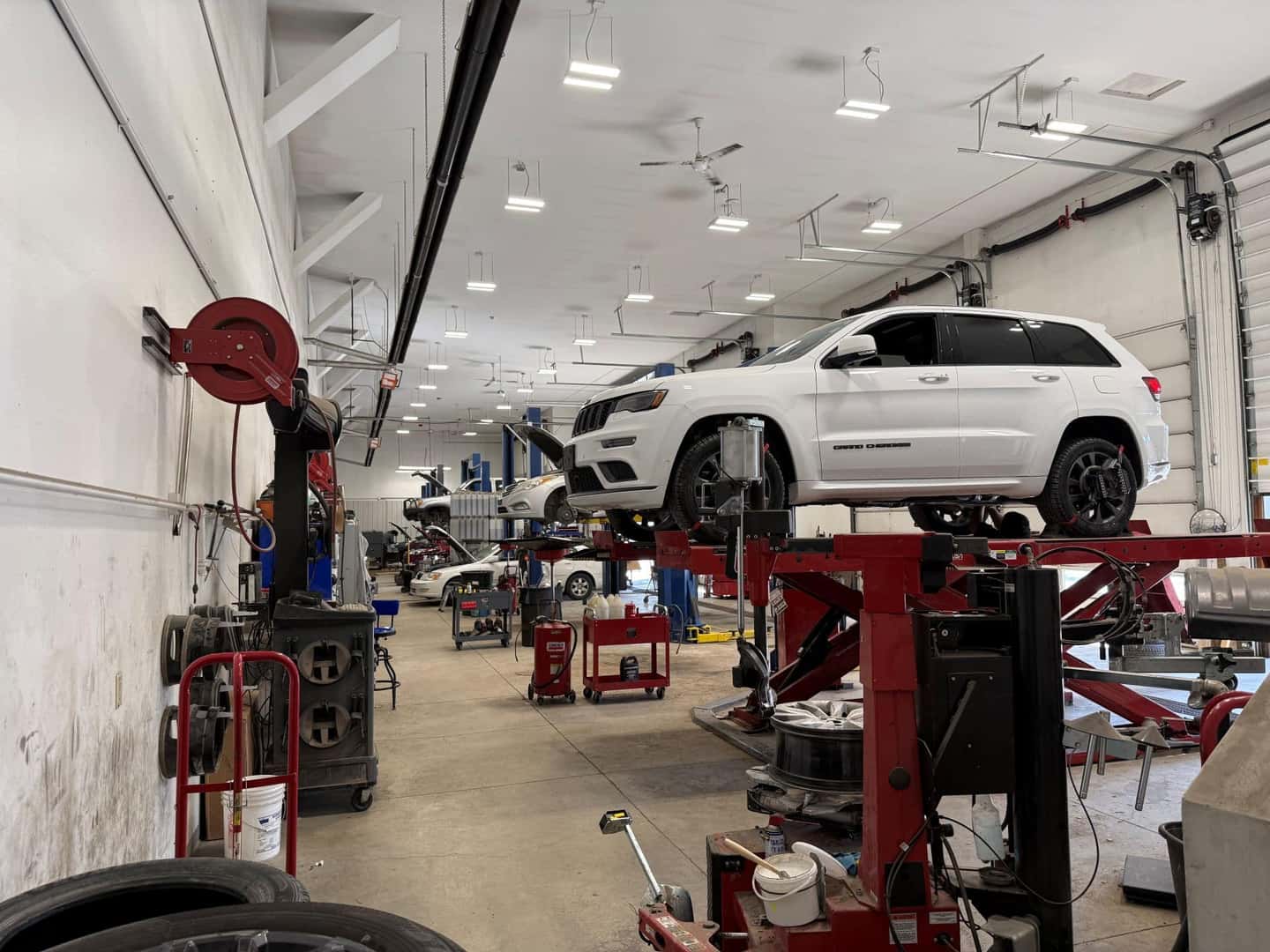
Tire Change in Kalispell, MT: Preparing Your Volkswagen for Every Season
If you live in Kalispell, Montana, knowing when to schedule a tire change can make a major difference in your vehicle’s safety and performance. With cold temperatures, icy roads, mountain passes, and unpredictable winter weather across the Flathead Valley, switching between summer or all-season tires and dedicated winter tires is an important part of seasonal vehicle maintenance.
At Kalispell Volkswagen, drivers can get help preparing their vehicles for changing road conditions. Whether you’re getting ready for the first snowfall or switching back to summer tires in the spring, understanding the right timing can help you maintain traction, protect your tires, and drive with greater confidence.
When Should You Change to Winter Tires in Kalispell?
For most drivers in Northwest Montana, October and November are good months to plan a switch to winter tires, depending on temperatures and the forecast. Rather than waiting for the first major snowfall, consider scheduling your appointment before freezing conditions become routine.
A useful guideline is to switch to winter tires when temperatures consistently fall below approximately 45°F. Winter tires use rubber compounds designed to remain more flexible in cold conditions, helping them maintain traction on cold pavement, snow, and ice.
Consider scheduling a winter tire change when:
- Morning temperatures regularly approach freezing.
- Snow and ice become more common on local roads.
- Your commute includes rural highways, shaded roads, or mountain passes.
- You’re planning winter trips around Whitefish, Columbia Falls, Bigfork, or Glacier National Park.
Winter tires are especially worth considering if your daily driving includes steep grades, frequent early-morning commutes, or roads that receive less immediate snow removal.
When Should You Switch Back to Summer or All-Season Tires?
Winter tires are designed for cold conditions, but they aren’t ideal for year-round driving. Their softer rubber compounds can wear more quickly when temperatures rise, particularly during warmer spring and summer weather.
In the Flathead Valley, many drivers begin considering a seasonal tire change in April or May. However, Montana’s spring weather can be unpredictable, so it’s best to consider road conditions and the forecast rather than relying on a specific date.
Before switching out your winter tires, make sure:
- Freezing overnight temperatures are becoming less frequent.
- Snow and ice are no longer a regular concern along your usual routes.
- Your vehicle is ready for warmer-weather driving.
- Your replacement tires have adequate tread depth and no visible damage.
If you regularly travel over higher-elevation roads, you may want to keep your winter tires installed a little longer.
Winter Tires vs. All-Season Tires: Which Is Right for Montana?
Choosing the right tires depends on your driving habits, vehicle, and typical road conditions.
Winter tires are designed for cold temperatures and provide specialized traction in snow and ice. They can be particularly beneficial for drivers who regularly encounter challenging winter conditions around Kalispell and the surrounding mountains.
All-season tires are designed to handle a broader range of conditions, including moderate winter weather. However, they generally cannot match dedicated winter tires in severe cold, snow, and ice.
Summer tires prioritize warm-weather grip and handling. They are not appropriate for regular winter driving in Montana.
Some drivers also choose all-weather tires, which are designed for year-round use and may carry the Three-Peak Mountain Snowflake symbol indicating they meet a specific snow-traction performance standard.
Your Volkswagen model, wheel size, driving routine, and local road conditions can all influence which option makes the most sense.
Why Professional Tire Changes Matter
A seasonal tire change involves more than removing one set of tires and installing another. Proper installation helps ensure your vehicle is ready for the conditions ahead.
When scheduling a tire change, consider asking about:
- Tire inspection: Check tread depth, uneven wear, cracks, and other signs of damage.
- Correct tire fitment: Make sure the replacement tires match your Volkswagen’s recommended size and specifications.
- Tire pressure: Verify inflation pressures against the manufacturer’s recommendations.
- Wheel balancing: Proper balancing can help reduce vibration and uneven tire wear.
- Tire rotation: Rotating tires according to your vehicle’s maintenance schedule can help promote more even wear.
- TPMS checks: Confirm that your tire pressure monitoring system is functioning properly after the service.
If you use a dedicated winter tire and wheel set, ask whether your vehicle requires specific wheel hardware or a TPMS sensor setup.
Get Your Volkswagen Ready for Montana’s Changing Seasons
Seasonal tire changes are an important part of preparing your Volkswagen for the conditions you encounter throughout the year. From snowy commutes in Kalispell to spring road trips across Northwest Montana, the right tires can help you maintain traction and get more out of your vehicle.
Planning also gives you time to inspect your tires before extreme weather arrives, rather than waiting until the first major snowfall or an unexpected warm spell.
Kalispell Volkswagen can help you determine the appropriate tire options and maintenance considerations for your vehicle. If you’re approaching your next seasonal tire change, contact our service department to discuss your needs and schedule an appointment.
Ready for your next tire change? Visit Kalispell Volkswagen to explore our dealership and service resources, or contact our team to get started.
Frequently Asked Questions About Tire Changes in Kalispell, MT
How much does a tire change cost in Kalispell?
The cost depends on whether you’re swapping a complete set of mounted wheels or replacing tires on your existing wheels. Tire size, balancing, and additional services can also affect the price. Contact Kalispell Volkswagen for current pricing for your vehicle.
How long does a seasonal tire change take?
The time required depends on the type of tire change, your vehicle, and the services needed. Ask the service department for an estimated appointment length when scheduling.
Can I drive with winter tires all year?
You can generally drive on winter tires during warmer months, but doing so can accelerate tread wear and reduce warm-weather performance. Switching to an appropriate warm-weather tire setup can help extend tire life.
Are all-season tires enough for Montana winters?
All-season tires may be suitable for some drivers and conditions, but dedicated winter tires generally provide better traction in severe cold, snow, and ice. Consider your commute, vehicle, and typical winter driving conditions when deciding.
How often should I check my tire pressure in winter?
Check your tire pressure regularly, especially when temperatures change significantly. Cold weather lowers tire pressure, so use the recommended pressure listed on your vehicle’s tire information label rather than the maximum pressure printed on the tire sidewall.
Does Kalispell Volkswagen service vehicles other than Volkswagen models?
Contact the Kalispell Volkswagen service department to confirm whether your vehicle qualifies for the tire services you need.
0 comment(s) so far on Tire Change in Kalispell, MT: Preparing Your Volkswagen for Every Season