


A Guide to IQ.DRIVE: Autonomous Features for Everyday Driving
In today’s fast-paced and ever-changing world, car manufacturers need to stay on top of all the latest technology trends and how they can be used to enhance your drive. Volkswagen is dedicated to ensuring you get the most advanced technology available. That’s why it created IQ.DRIVE, its very own suite of driver-assistance features that comes standard in every vehicle it makes. Here at Kalispell Volkswagen, we invite you to take a closer look at exactly what IQ.DRIVE is and what features it includes.
Core Autonomous Features of IQ.DRIVE
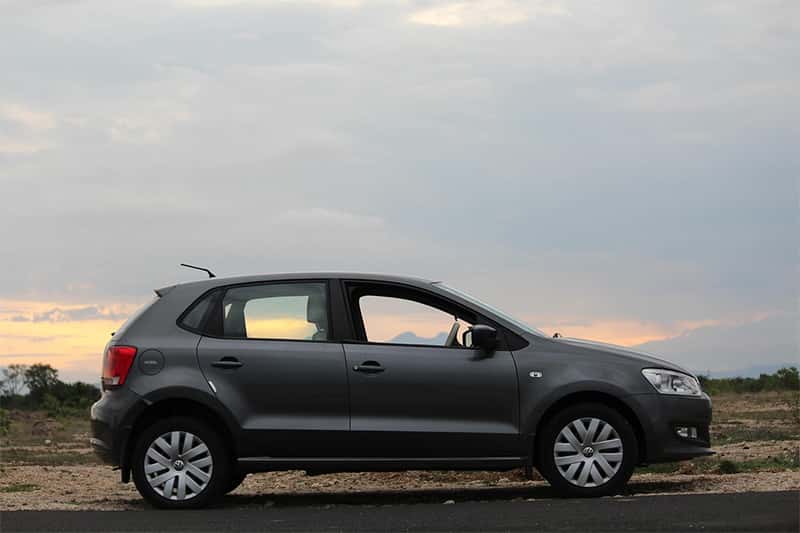
Image by Aruns212 is licensed with Pexels license
Autonomous driving was once seen as something belonging to the distant future, but more and more, autonomous driving features are becoming a part of the automotive world. Autonomous vehicles use technology to sense the conditions around them and perform tasks without the need for human input. Although fully self-driving cars are still something the future might bring, more subtle autonomous driving features are very much a part of the here and now. Let’s examine the advanced Volkswagen autonomous-driving features in the IQ.DRIVE suite.
Travel Assist: Enhancing Comfort on Long Drives
Travel Assist is designed to help you when traveling on a highway for extended periods of time. On those long drives, Travel Assist uses adaptive cruise control technology and center guidance to help keep you safely in the center of your lane at a designated speed. It also keeps you at a safe distance from any cars in front of you and will react by slowing down if your car is approaching another vehicle too quickly.
Adaptive Cruise Control: Maintaining Speed and Distance
Adaptive cruise control helps you maintain a constant speed and detects cars in front of your vehicle. Once your desired speed is set, this radar will automatically perceive when you’re approaching a car too quickly and will reduce speed to remain a safe distance behind it. If you change lanes or the car in front of you moves out of the way, your car will accelerate and return to the set speed. This gives you a much more comfortable driving experience, allowing you to maintain a designated speed without constantly having to adjust.
Active Blind-Spot Monitor: Extra Eyes for Safer Lane Changes
The Active Blind-Spot Monitor uses radars to detect vehicles that might be hidden from your view. This system keeps an eye on the zones behind and alongside your vehicle and alerts you when cars are potentially outside your visual field. If you miss these alerts and attempt to change lanes while a car is in your blind spot, auditory cues will sound, and if possible, your car will perform counter-steering maneuvers to help keep you in your lane.
Rear Traffic Alert: Safeguarding Your Backups
Rear Traffic Alert is designed to help you when you’re reversing, in situations such as leaving your driveway or a parking spot. Sensors will detect any cars or motorcycles that are approaching your path, sending you an alert to prevent a potential collision. If you don’t respond in time, rear emergency braking may also be employed. This system detects vehicles in a wide area behind you, giving you more awareness of your surroundings and assisting you in making safe decisions as you drive.
Front Assist: Avoiding Imminent Collision
Front Assist uses cameras and radars to monitor your car’s distance from the vehicle ahead. If the car in front of you is too close or the driver suddenly brakes, your Volkswagen will alert you with a chiming sound and briefly apply the brakes and jolt you if you don’t respond. If you don’t brake at all, emergency braking will be activated to prevent a collision. Front Assist can detect vehicles that are stationary or moving in the same direction as you are.
Emergency Assist: Taking Charge in Critical Moments
Emergency Assist uses advanced technology to monitor your hands on the steering wheel. If your vehicle detects that your hands have dropped from the wheel, it will first send an alert to see if you respond by regaining control. If you fail to respond to the alerts, Emergency Assist will take over by making sure your car stays centered in its lane while bringing it to a stop.
Lane Assist: Keeping You Centered
Lane Assist uses cameras and other technology to make sure you stay in the center of your lane. If you start to drift, the system delivers alerts, and if you don’t react, it will keep your vehicle centered and bring it to a stop while activating the hazard lights. This feature can prevent accidents caused by tiredness or distractions.
IQ.DRIVE Considerations
There are a few situations in which IQ.DRIVE might not function at its best, such as if you drive in areas where the lines on the road are unclear or where ice, snow, or mud can block the sensors. Because some features only work at certain speeds, if you’re driving very slowly or too fast, they may not work as they should. Also, heavy cargo can sometimes alter sensor placement. Many IQ.DRIVE features only operate if enabled, so ensure they’re always turned on before driving.
Embracing a Smarter, Safer Driving Landscape With IQ.DRIVE
IQ.DRIVE is Volkswagen’s effective contribution to the rapidly advancing world of safe driving technology. Safety is the most important consideration when purchasing a vehicle for you and your family, and Volkswagen wants to make sure that you feel safe and confident behind the wheel.
At Kalispell Volkswagen in Montana, we have a wide selection of cars equipped with IQ.DRIVE technology ready for you to explore. If you’d like to try out these impressive features in person, stop by or contact us to schedule a test-drive today.
0 comment(s) so far on A Guide to IQ.DRIVE: Autonomous Features for Everyday Driving